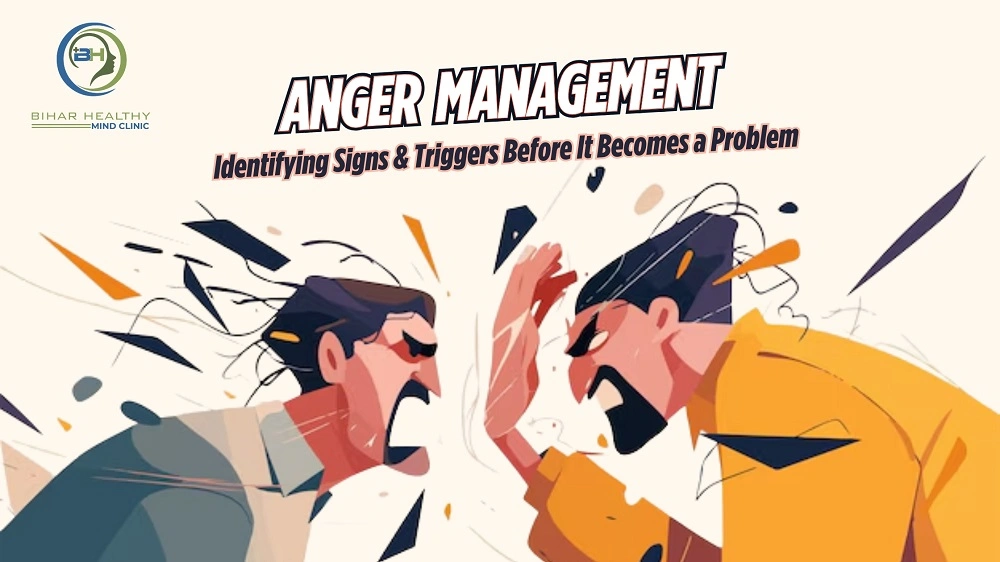
Anger is a normal and universal human emotion. But when anger becomes intense, frequent, or difficult to control, it may indicate underlying anger management issues that require professional support. Many people struggle silently, unsure whether their reactions are normal or signs of a deeper emotional challenge. Understanding the anger management definition, symptoms, and triggers can help you take early steps toward healthier emotional regulation.
At Patna Psychiatry, under the care of Dr. Saurabh Kumar (MD Psychiatry), widely regarded as the best psychiatrist in Patna, individuals with anger-related concerns receive comprehensive evaluation and structured anger issues treatment to regain control over their emotions.
In this blog, written from a mental-health perspective, we explain what anger management means, how to recognize the signs, and when professional help becomes necessary.
What Is Anger Management?
To put it simply, anger management refers to the ability to recognize, control, and express anger in a healthy and productive manner.
The anger management meaning goes beyond basic emotional control, it involves understanding the root causes of anger, analyzing your emotional patterns, and developing tools to respond calmly, even in stressful situations.
Many people misunderstand the concept and think anger management is about suppressing anger entirely.
-
In reality, it focuses on:
- Awareness of emotional triggers
- Healthy expression of emotions
- Learning coping strategies
- Preventing destructive behavior
- Enhancing communication
- Strengthening interpersonal relationships
Effective anger management skills make it easier to handle pressure, reduce conflicts, and maintain emotional balance.
Do You Have Anger Management Issues? Key Signs to Watch For
If you’re wondering whether your reactions fall under anger management problems, the following signs can help you identify potential concerns.
1. Frequent Irritability
Even minor inconveniences such as slow traffic, interruptions, disagreements can trigger intense frustration.
2. Difficulty Calming Down
Once angry, you struggle to return to a neutral or calm emotional state, even after the situation is resolved.
3. Physical Symptoms During Anger
-
You may experience:
- Racing heart
- Sweating
- Shaking
- Chest tightness
- Headaches
These physiological reactions indicate emotional overload.
4. Aggressive Outbursts
Shouting, lashing out, breaking things, or verbal aggression are strong indicators of anger problems that require intervention.
5. Regret After Angry Episodes
Many individuals realize they overreacted but feel unable to control their anger in the moment.
6. Impact on Relationships
-
Anger frequently affects:
- Family interactions
- Professional communication
- Friendships
- Social behavior
When anger begins to damage relationships, it is a clear sign of anger management issues.
7. Avoiding Situations Due to Fear of Outbursts
Some individuals withdraw from social or professional interactions to avoid losing control.
8. Feeling Angry Most of the Time
Persistent internal tension or constant irritation suggests a deeper emotional imbalance.
What Triggers Anger Management Problems?
Understanding your triggers is essential for effective anger management. Triggers vary from person to person, but common causes include:
- Stress: Work pressure, family responsibilities, deadlines, or financial strain can amplify emotional reactions.
- Unresolved Trauma: Past emotional wounds often resurface as anger in adulthood.
- Relationship Conflicts: Arguments, misunderstandings, or disconnection may lead to emotional outbursts.
- Mental Health Conditions: Conditions like anxiety, depression, PTSD, ADHD, and personality disorders may intensify anger responses.
- Fatigue or Sleep Deprivation: When the mind is exhausted, emotional regulation becomes more difficult.
- Low Frustration Tolerance: People who struggle to cope with delays or difficulties may experience sudden anger.
- Substance Use: Alcohol or drugs can impair judgment and emotional control.
A skilled psychiatrist can help identify and address triggers through structured evaluation and therapy.
Do You Need Anger Issues Treatment?
Many people delay seeking help because they assume anger is “just part of their personality.” However, professional anger issues treatment is necessary when:
- Anger leads to self-harm or harm to others
- You feel “out of control” in heated moments
- Anger affects work or academic life
- You experience guilt or shame after outbursts
- Loved ones express fear or concern
- You suppress anger until it explodes unexpectedly
If these symptoms sound familiar, it may be time to seek professional guidance from a trained psychiatrist.
How Treatment Works at Patna Psychiatry
At Patna Psychiatry, individuals struggling with anger receive evidence-based evaluation and treatment under the expertise of Dr. Saurabh Kumar, known for providing structured and empathetic care as the best psychiatrist in Patna.
1. Assessment & Diagnosis
The process begins with identifying underlying psychological, emotional, or environmental factors contributing to anger.
2. Psychotherapy
-
Therapies may include:
- Cognitive Behavioral Therapy (CBT)
- Anger control techniques
- Stress reduction therapy
- Emotional awareness training
- Behavioral modification
3. Developing Anger Management Skills
-
Patients learn techniques such as:
- Thought reframing
- Relaxation exercises
- Trigger identification
- Mindfulness practices
- Communication improvement
- Impulse control strategies
4. Medication (If Needed)
In cases where anger is linked with mental health disorders, medication may be prescribed to stabilize mood and improve emotional regulation.
5. Long-Term Emotional Strengthening
The goal is not just to reduce anger but to enhance resilience, empathy, patience, and emotional balance.
Final Thoughts
Recognizing the signs of anger management issues is the first and most important step in regaining emotional control. Anger itself is not the problem but unchecked anger is. With proper guidance, structured treatment, and consistent practice of anger management skills, individuals can transform their responses and rebuild healthier relationships.
If anger is affecting your daily life, seeking expert care from the best psychiatrist in Patna at Patna Psychiatry can help you regain stability, clarity, and peace of mind.
Visitors: 50
Leave a Comment
Comments (0)
Recent Posts
-
 Understanding the Blue Mood: How Monday Blues Affect Mental Health and Ways to Combat Them
-
 De Addiction Explained: Types of Addiction and How They Are Treated Effectively
-
 PANDAS Disease: Causes, Latest Research, and Treatment Options
-
 Hysteria Disease: Causes, Treatment, and Coping Strategies
-
 Schizoaffective Disorder Explained: Triggers, Symptoms, and Diagnosis
No comments yet.