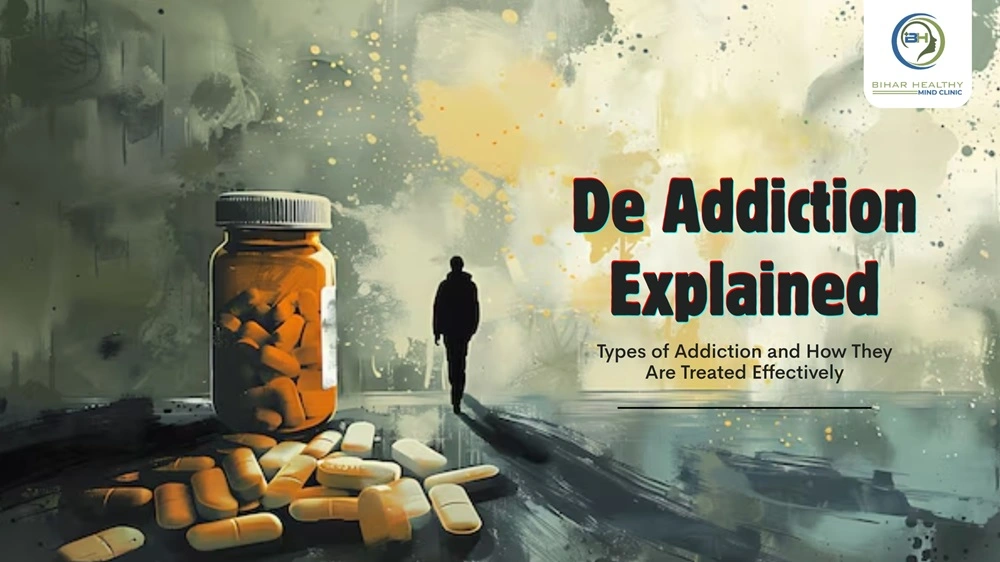
Addiction is a complex medical and psychological condition that affects individuals, families, and society as a whole. From substance dependency to behavioral addictions, the impact can be long lasting if left untreated. Understanding de addiction, its types, and available treatment methods is the first step toward recovery. This blog aims to provide a comprehensive, medically accurate explanation from a psychiatric perspective, while keeping the information accessible for patients and caregivers.
At Patna Psychiatry, individuals receive structured and evidence based care under the guidance of Dr. Saurabh Kumar, MD (Psychiatry), making it one of the most trusted names and often regarded as the best deaddiction center in Patna.
What Is De Addiction? Meaning and Clinical Definition
De Addiction Meaning in Mental Health Care
The de addiction meaning refers to a structured medical and psychological process designed to help individuals stop dependence on substances or addictive behaviors. It involves physical detoxification, emotional stabilization, and long-term behavioral change under professional supervision.
De Addiction Definition and Medical Perspective
From a psychiatric standpoint, the de addiction definition involves treating the biological, psychological, and social aspects of addiction. It is not limited to stopping substance use but focuses on preventing relapse and improving overall mental health and quality of life.
De Addiction Centre Meaning
The de addiction centre meaning goes beyond a rehabilitation space. A professional de addiction centre offers diagnosis, detox services, medication management, therapy, relapse prevention planning, and family counseling within a controlled clinical environment.
How Many Types of Addiction Are There?
Addiction is broadly classified into two major categories based on whether a substance is involved. Both types affect mental health, behavior, and daily functioning, and require structured psychiatric evaluation and treatment for effective and lasting recovery.
Substance Related Addictions
Substance addiction involves physical and psychological dependence on chemical substances that alter brain chemistry. These addictions often lead to tolerance, withdrawal symptoms, and compulsive use, making medical detoxification and ongoing psychiatric care essential for safe recovery.
-
Common forms include:
- Alcohol addiction, One of the most prevalent forms treated at an alcohol de addiction centre
- Drug addiction (opioids, cannabis, cocaine)
- Prescription medication misuse
- Tobacco and nicotine dependence
These conditions often require medical detoxification and continuous psychiatric care.
Behavioral Addictions
Behavioral addictions do not involve substances but cause strong psychological dependence. They disrupt emotional balance, relationships, and decision making patterns. Without timely intervention, these behaviors can escalate, requiring psychotherapy and structured behavioral correction strategies.
-
These include:
- Gambling addiction
- Internet and gaming addiction
- Compulsive shopping
- Pornography and sexual addiction
Treatment focuses heavily on psychotherapy and behavioral correction strategies.
Why Professional De Addiction Treatment Is Essential
Professional de addiction treatment is critical because addiction affects both the brain and body. Medical supervision ensures safe recovery, reduces complications, and improves long term outcomes by addressing physical dependence and psychological triggers together in a structured, ethical clinical environment.
Risks of Untreated Addiction
Without timely de addiction treatment, addiction can progress into serious mental illness, organ damage, broken relationships, unemployment, and legal problems. Withdrawal symptoms are often underestimated and can become medically dangerous without proper psychiatric monitoring and intervention.
-
Key risks include:
- Mental health deterioration
- Physical complications
- Social and legal consequences
Role of a Specialized De Addiction Centre
A specialized de addiction centre offers a medically supervised and structured setting that supports safe detoxification and long term recovery. Continuous medical monitoring, structured routines, and personalized treatment plans help stabilize patients physically and psychologically, improving recovery success and reducing relapse risk.
-
Core functions:
- Safe detoxification
- Continuous monitoring
- Individualized care plans
De Addiction Treatment Methods Used in Psychiatry
Psychiatric de addiction treatment integrates clinical medication management with structured psychological interventions. Treatment is planned after detailed evaluation and focuses on detox, symptom control, behavioral correction, and relapse prevention, ensuring a comprehensive recovery process rather than short term symptom relief.
Medical Detoxification and Stabilization
Medical detoxification marks the initial stage of de addiction treatment, where the body is safely cleared of addictive substances under professional supervision. Substances are safely removed from the body under medical supervision to control withdrawal symptoms, prevent complications, and prepare the patient mentally and physically for further therapeutic interventions.
-
Detox focuses on:
- Withdrawal management
- Physical stabilization
- Treatment readiness.
Drugs Used in De Addiction
Certain drugs used in de addiction help manage cravings, stabilize mood, and reduce withdrawal discomfort. These medications are prescribed only after psychiatric assessment and are tailored to the patient’s condition, addiction severity, and medical history.
-
Medication goals:
- Craving control
- Mood stabilization
- Relapse reduction
De Addiction Therapy Definition
The de addiction therapydefinition includes structured psychological treatments aimed at changing addictive behaviors, improving coping skills, and addressing emotional triggers. These therapies support long term recovery and help patients rebuild healthier thought patterns and social functioning.
-
Common therapies include:
- Cognitive Behavioral Therapy (CBT)
- Motivational Enhancement Therapy
- Group therapy
- Family counseling
These therapies address the root causes of addiction and help patients develop healthier coping mechanisms.
Alcohol De Addiction Centre: A Focused Approach
Why Alcohol Addiction Needs Specialized Care
Alcohol dependence affects both mental and physical health and often requires inpatient monitoring. An alcohol de addiction centre delivers supervised withdrawal management, psychological care, and structured recovery plans to reduce the risk of relapse.
Long-Term Recovery and Follow-Up Care
Recovery does not end after detox. Ongoing counseling, lifestyle changes, and follow-ups are critical components of sustained recovery offered at the best deaddiction center in Patna, Patna Psychiatry.
Why Patna Psychiatry Is a Trusted Name in De Addiction Care
Expertise Led Treatment
At Patna Psychiatry, Dr. Saurabh Kumar, MD (Psychiatry) offers comprehensive care based on modern psychiatric guidelines. His approach integrates medication, therapy, and psychosocial support for lasting recovery.
Patient Centered and Ethical Care
Each patient receives a personalized plan, ensuring dignity, confidentiality, and long term mental wellness. This holistic approach has positioned Patna Psychiatry as a leading de addiction centre in the region.
Final Thoughts from a Psychiatric Perspective
Addiction is a clinical health condition, not a flaw in character, and it can be effectively treated. With timely intervention, professional guidance, and structured de addiction treatment, recovery is achievable. Seeking help from an experienced psychiatric team can make a life changing difference.
If you or a loved one is struggling, choosing the best deaddiction center in Patna can be the first step toward a healthier, addiction free future.
Conclusion
De addiction is a medically recognized and treatable condition that requires timely intervention, expert care, and long-term support. Understanding the de addiction meaning, seeking proper de addiction treatment, and choosing a trusted de addiction centre can significantly improve recovery outcomes. With structured therapy, safe medical detox, and appropriate drugs used in de addiction, individuals can regain control over their lives. At Patna Psychiatry, patients receive evidence based care at a professional alcohol de addiction centre, making it a reliable choice and often regarded as the best deaddiction center in Patna for comprehensive psychiatric recovery.
Visitors: 8
Leave a Comment
Comments (0)
Recent Posts
-
 Understanding the Blue Mood: How Monday Blues Affect Mental Health and Ways to Combat Them
-
De Addiction Explained: Types of Addiction and How They Are Treated Effectively
-
 PANDAS Disease: Causes, Latest Research, and Treatment Options
-
 Hysteria Disease: Causes, Treatment, and Coping Strategies
-
 Schizoaffective Disorder Explained: Triggers, Symptoms, and Diagnosis
No comments yet.