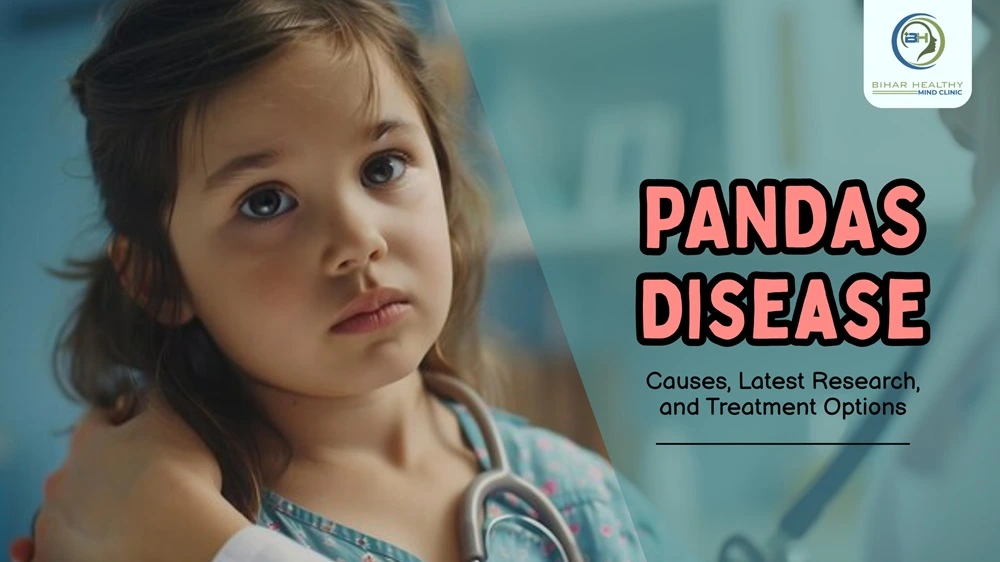
PANDAS disease is a complex neuropsychiatric condition that primarily affects children and can cause sudden and dramatic behavioral changes. Many parents ask what causes PANDAS syndrome and why symptoms appear abruptly after an infection. Gaining clear insight into this condition is vital for timely identification and successful treatment planning. At Patna Psychiatry, children receive comprehensive evaluation and evidence based care under the guidance of Dr. Saurabh Kumar, MD (Psychiatry), widely regarded as the best neuropsychiatrist in Patna for child and adolescent mental health disorders.
This blog is written from a psychiatric perspective to help parents, caregivers, and educators understand PANDAS syndrome, recognize early warning signs, and seek timely medical intervention.
What Is PANDAS Disease?
Understanding PANDAS Syndrome
To understand pandas disease, it is important to know that PANDAS stands for Pediatric Autoimmune Neuropsychiatric Disorders Associated with Streptococcal infections. It is a condition in which a child’s immune system mistakenly attacks parts of the brain following a streptococcal infection, such as strep throat.
This autoimmune response leads to sudden onset of psychiatric and neurological symptoms. PANDAS syndrome is not a behavioral problem or parenting issue; it is a medically recognized condition that requires professional evaluation and treatment.
Why PANDAS Occurs in Children
PANDAS in children typically appears between the ages of 3 and puberty. Children are at higher risk as their immune systems are still maturing and less equipped to regulate immune responses. The condition is often misunderstood, which can delay diagnosis and worsen symptoms if left untreated.
What Causes PANDAS Syndrome?
Autoimmune Reaction After Infection
The primary cause of pandas syndrome is an abnormal immune response to a streptococcal infection. Instead of only attacking bacteria, the immune system mistakenly targets brain tissue involved in behavior, emotions, and movement.
Neurological Impact on the Brain
This immune reaction affects brain areas responsible for emotional regulation and motor control. This neurological involvement is why management often requires consultation with the best neuropsychiatrist in Patna, especially when symptoms overlap psychiatric and neurological domains.
PANDAS Syndrome Symptoms
Recognizing pandas syndrome symptoms at an early stage is critical to prevent long term emotional, behavioral, and neurological complications. In most cases, symptoms appear suddenly after a streptococcal infection and may worsen rapidly, which makes early psychiatric and neurological evaluation essential.
Behavioral and Emotional Symptoms
Children affected by PANDAS often show abrupt and noticeable changes in behavior and emotional regulation that are out of character for their age or personality. These changes can be distressing for both the child and family members.
-
Including:
- Sudden onset of obsessive thoughts or compulsive behaviors
- Severe anxiety or separation anxiety
- Irritability, emotional outbursts, or mood swings
- Sudden decline in school performance
These behavioral changes are among the most frequently reported pandas disease symptoms and should never be dismissed as normal childhood phases.
Physical and Neurological Symptoms
Alongside emotional and behavioral changes, PANDAS can also present with physical and neurological manifestations. These symptoms often emerge unexpectedly and may vary in intensity from day to day.
-
Physical symptoms may include:
- Motor tics or unusual movements
- Changes in handwriting or fine motor skills
- Sleep disturbances
- Frequent urination or bedwetting
These pandas disease symptoms often fluctuate in severity and require prompt evaluation by a specialist, such as the best neuropsychiatrist in Patna, to ensure accurate diagnosis and timely treatment.
PANDAS Diagnosis
Clinical Evaluation
PANDAS diagnosis is primarily clinical and based on a detailed assessment of symptom history, sudden onset, and a clear temporal association with recent streptococcal infection. Currently, no single laboratory test confirms the condition, making thorough psychiatric and medical evaluation essential for accurate diagnosis.
Role of Specialized Care
Accurate diagnosis often requires ruling out other neurological, autoimmune, or psychiatric disorders. At Patna Psychiatry, children undergo structured assessment protocols guided by the best neuropsychiatrist in Patna, ensuring precise identification and timely treatment. Specialized expertise helps prevent misdiagnosis and supports effective long term management.
Latest Research on PANDAS Disease
Advances in Understanding Immune Mechanisms
Recent scientific research has reinforced the understanding that pandas disease is an immune-mediated condition triggered by abnormal immune responses following infections. Studies indicate that addressing immune dysfunction early can significantly reduce symptom intensity. This growing body of evidence supports targeted medical strategies aimed at controlling inflammation and immune-related neurological effects in affected children.
Evolving Treatment Guidelines
Ongoing research continues to refine treatment protocols for pandas syndrome, emphasizing an integrated approach. Current guidelines support combining medical treatment, psychiatric care, and behavioral therapy for optimal outcomes. Research consistently shows that early diagnosis and coordinated care lead to better symptom control, reduced relapse risk, and improved long-term functioning in children with PANDAS disease.
Treatment Options for PANDAS Syndrome
Medical Treatment
Treatment focuses on addressing the underlying infection and immune response. Depending on the case, management may include antibiotics, anti-inflammatory strategies, or immune modulating therapies under strict medical supervision.
Psychiatric and Behavioral Support
Psychiatric care is essential to manage emotional and behavioral symptoms. Therapy helps children cope with anxiety, compulsions, and emotional distress while supporting overall recovery.
Long-Term Management
With consistent treatment and monitoring, many children show significant improvement. Early intervention guided by the best neuropsychiatrist in Patna can help children regain emotional stability and normal functioning.
Living With PANDAS Disease
Parental Support and Awareness
Living with PANDAS disease can be emotionally challenging for both the child and the family. Educating parents and caregivers about pandas syndrome helps reduce fear, confusion, and unnecessary guilt. When families understand the sudden onset nature of symptoms, they are better prepared to respond calmly and supportively. Parents play a crucial role in closely monitoring behavioral, emotional, and physical changes, ensuring medication and therapy adherence, and providing consistent emotional reassurance. A supportive home environment significantly helps children feel safe and understood during recovery.
Importance of Early Intervention
Early identification and timely treatment of pandas syndrome symptoms greatly improve long-term outcomes. Prompt psychiatric and medical care helps control inflammation-related symptoms and prevents progression into chronic behavioral or neurological issues. Children who receive early intervention often show faster symptom reduction, improved emotional regulation, and better academic and social functioning. With proper care guided by experienced specialists, many children with pandas disease can regain stability and enjoy a healthier quality of life.
Conclusion
PANDAS disease is a serious but manageable condition when identified early and treated correctly. Understanding its causes, recognizing pandas syndrome symptoms, and seeking accurate pandas diagnosis can make a significant difference in a child’s life. With expert psychiatric and neurological care, recovery is achievable. At Patna Psychiatry, Dr. Saurabh Kumar, MD (Psychiatry), provides evidence based treatment, offering hope and stability to children and families navigating this complex disorder.
Visitors: 13
Leave a Comment
Comments (0)
Recent Posts
-
 Understanding the Blue Mood: How Monday Blues Affect Mental Health and Ways to Combat Them
-
 De Addiction Explained: Types of Addiction and How They Are Treated Effectively
-
PANDAS Disease: Causes, Latest Research, and Treatment Options
-
 Hysteria Disease: Causes, Treatment, and Coping Strategies
-
 Schizoaffective Disorder Explained: Triggers, Symptoms, and Diagnosis
No comments yet.