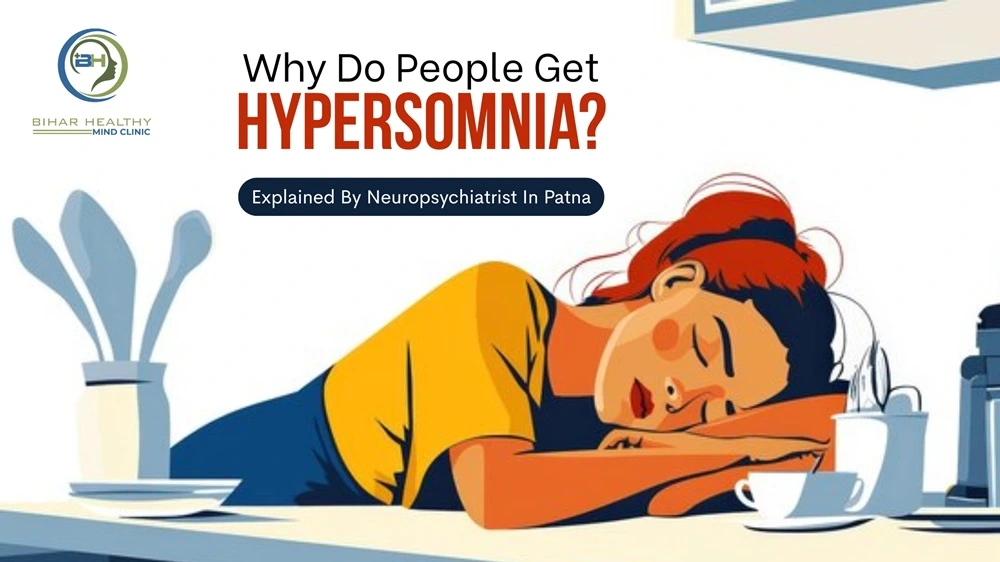
Excessive sleepiness that disrupts daily life is more than just feeling tired. Many individuals struggle to stay awake during work, conversations, or even while driving, despite getting adequate sleep at night. This condition is medically known as hypersomnia. Understanding hypersomnia meaning, its underlying reasons, and available hypersomnia treatment options is essential for long term recovery and quality of life.
At Patna Psychiatry, comprehensive evaluation and evidence based care are provided under the guidance of Dr. Saurabh Kumar, MD (Psychiatry), recognized by many as the best psychiatrist in Patna for sleep related mental health conditions.
What Is Hypersomnia?
Many patients ask what hypersomnia is and how it differs from normal tiredness. Hypersomnia is a sleep disorder characterized by persistent daytime sleepiness or prolonged nighttime sleep that does not restore energy. Individuals may sleep for 9-12 hours or more and still feel exhausted during the day.
Unlike occasional fatigue, hypersomnia affects cognitive functioning, emotional stability, and overall productivity, making medical attention essential.
Hypersomnia Meaning in Clinical Psychiatry
From a psychiatric and neurological standpoint, hypersomnia meaning refers to a group of disorders where the brain’s sleep wake regulation is disrupted. It may occur independently or alongside mental health conditions such as depression, bipolar disorder, or anxiety disorders.
Proper diagnosis is critical, as hypersomnia is often misunderstood as laziness or lack of motivation, which can delay effective treatment.
Common Hypersomnia Symptoms
Recognizing hypersomnia symptoms early helps prevent complications. Common signs include:
- Excessive daytime sleepiness despite adequate rest
- Difficulty waking up (sleep inertia or “sleep drunkenness”)
- Long naps that are not refreshing
- Poor concentration and memory
- Reduced motivation and emotional dullness
- Irritability or low mood
If these symptoms persist for weeks, professional evaluation is strongly recommended.
Understanding Hypersomnia Causes
There are several hypersomnia causes, and identifying the underlying reason is a crucial step in planning effective and long term care. Excessive sleepiness is often not a standalone issue but a symptom linked to other physical, psychological, or lifestyle related factors. A detailed clinical evaluation helps differentiate between primary and secondary causes of hypersomnia.
1. Mental Health Conditions
Psychological conditions such as depression, bipolar disorder, anxiety disorders, and trauma related illnesses can significantly affect sleep patterns. These conditions may disrupt normal sleep cycles, reduce sleep quality, and increase the need for prolonged rest, resulting in persistent daytime drowsiness despite adequate sleep duration.
2. Neurological Factors
Certain neurological issues can interfere with the brain’s ability to regulate wakefulness. Imbalances in brain chemicals, past head injuries, neurodegenerative conditions, or disorders affecting the central nervous system may impair alertness and lead to excessive sleep. These cases often require specialized neuropsychiatric assessment.
3. Medical and Sleep Disorders
Several physical health problems are known contributors to hypersomnia. Sleep disorders such as obstructive sleep apnea, as well as medical conditions like thyroid dysfunction, anemia, diabetes, or chronic fatigue syndrome, can cause unrefreshing sleep and ongoing tiredness throughout the day.
4. Lifestyle and Medication Factors
Irregular sleep schedules, poor sleep hygiene, excessive screen exposure, substance use, or shift work routines can worsen daytime sleepiness. Additionally, certain medications, including sedatives, antidepressants, or antihistamines, may have drowsiness as a side effect, further contributing to hypersomnia symptoms.
A detailed assessment by a neuropsychiatrist helps differentiate primary hypersomnia from secondary causes.
How Hypersomnia Is Diagnosed
Diagnosis typically includes clinical interviews, sleep history analysis, mental health screening, and sometimes sleep studies. At Patna Psychiatry, evaluation focuses on both psychological and biological factors to ensure accurate diagnosis and avoid unnecessary treatments.
Effective Hypersomnia Treatment Approaches
Successful hypersomnia treatment requires a personalized, multi-dimensional plan rather than a one size fits all solution.
Psychiatric Evaluation and Therapy
Cognitive-behavioural strategies help address sleep habits, stress, and emotional triggers contributing to excessive sleep.
Medication Management
In certain cases, carefully prescribed medicine for hypersomnia helps regulate wakefulness and improve daytime alertness. Medication is always monitored closely to minimize side effects.
Lifestyle and Sleep Hygiene Correction
Structured sleep schedules, controlled naps, light exposure management, and reduced screen time significantly improve outcomes.
Under the supervision of the best psychiatrist in Patna, patients receive balanced care combining medical expertise and psychological support.
How to Cure Hypersomnia: Is It Possible?
Patients often ask how to cure hypersomnia permanently. While complete cure depends on the underlying cause, most individuals experience significant improvement with early diagnosis and consistent treatment.
Conditions linked to mental health or lifestyle factors respond particularly well to psychiatric care and behavioural changes.
How to Overcome Hypersomnia in Daily Life
Learning how to overcome hypersomnia involves both clinical treatment and self-management:
- Maintaining fixed sleep and wake times
- Avoiding oversleeping on weekends
- Managing stress through therapy or relaxation techniques
- Staying physically active during daylight hours
- Limiting alcohol and sedatives
These strategies, combined with professional care, help restore alertness and daily functioning.
How to Get Rid of Hypersomnia Safely
For those searching how to get rid of hypersomnia, it is important to avoid self medication or stimulants without guidance. Improper use can worsen sleep quality and mental health.
A structured treatment plan designed by an experienced psychiatrist ensures safe and sustainable improvement.
Role of Psychiatry in Hypersomnia Care
Psychiatry plays a crucial role in differentiating sleep disorders from mood related fatigue. At Patna Psychiatry, the focus is on treating the individual as a whole rather than addressing symptoms in isolation. This integrated approach is why many patients consider the clinic among the most reliable options for hypersomnia care.
When Should You Seek Professional Help?
Consultation is advised if:
- Daytime sleepiness interferes with work or safety
- Sleep duration keeps increasing without relief
- Mood changes accompany excessive sleep
- Self help measures fail to improve symptoms
Early intervention improves outcomes and prevents long term impairment.
Conclusion
Hypersomnia is a complex but treatable condition when addressed with the right medical and psychiatric approach. Understanding hypersomnia causes, recognizing hypersomnia symptoms, and seeking timely hypersomnia treatment can dramatically improve quality of life. With expert care available at Patna Psychiatry under Dr. Saurabh Kumar, MD (Psychiatry), individuals benefit from thorough evaluation and evidence based mental health support guided by the best psychiatrist in Patna.
Visitors: 54
Leave a Comment
Comments (0)
Recent Posts
-
 Understanding the Blue Mood: How Monday Blues Affect Mental Health and Ways to Combat Them
-
 De Addiction Explained: Types of Addiction and How They Are Treated Effectively
-
 PANDAS Disease: Causes, Latest Research, and Treatment Options
-
 Hysteria Disease: Causes, Treatment, and Coping Strategies
-
 Schizoaffective Disorder Explained: Triggers, Symptoms, and Diagnosis
No comments yet.