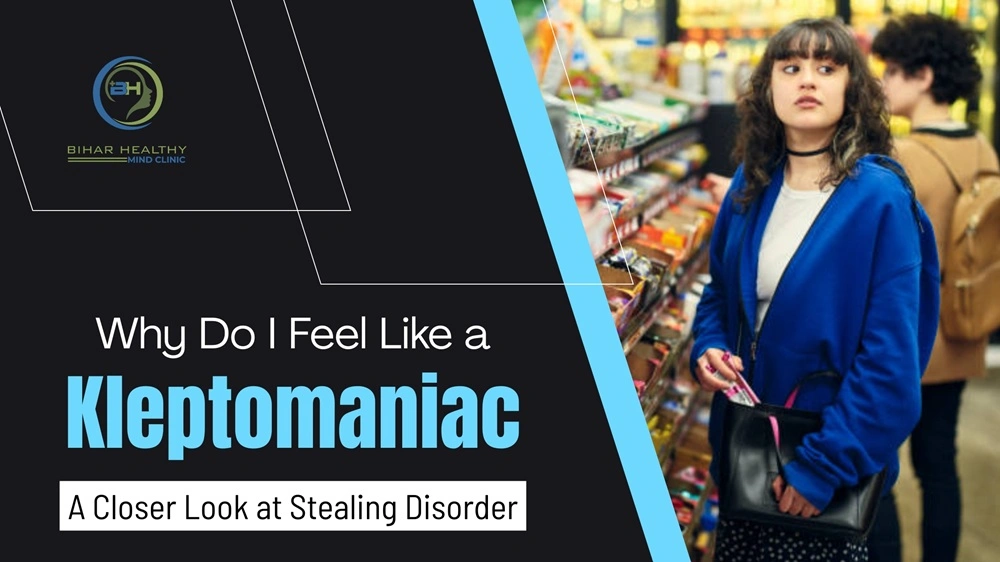
Stealing something you do not need and often do not even truly want, can leave you confused, ashamed, and anxious. Many people silently wonder, “Do I have kleptomania?” without understanding that it is a clinically recognized psychiatric disorder that affects impulse control, emotional regulation, and the brain’s reward system. If you are searching for clarity on what is a kleptomaniac, the kleptomaniac meaning, or whether your behaviour fits the pattern of a stealing disorder, this comprehensive guide is designed to help you explore the symptoms, causes, and effective treatment approaches related to the condition.
At Patna Psychiatry, under the expertise of Dr. Saurabh Kumar, MD (Psychiatry), widely regarded as the best neuropsychiatrist in Patna, individuals struggling with compulsive stealing receive compassionate, evidence-based care designed to restore emotional balance and self-control.
What Is a Kleptomaniac? Understanding the Kleptomaniac Meaning
A kleptomaniac is someone who repeatedly feels an uncontrollable urge to steal items that hold little or no personal value. Unlike typical theft driven by need, thrill, or financial gain, kleptomania disease is rooted in abnormal impulse control. People affected often feel intense internal tension before stealing and temporary relief or gratification afterward.
In simple terms, the kleptomaniac meaning refers to a person living with kleptomania, a psychiatric condition where stealing becomes a compulsive act rather than a choice.
Kleptomania Symptoms You Shouldn’t Ignore
Many individuals misinterpret their behaviour as “bad habits” or “impulsiveness,” but kleptomania symptoms follow a clear pattern:
1. Repeated, irresistible urges to steal
The urge appears even when the person knows the consequences and has no need for the item.
2. Stealing unnecessary or low-value items
People with this stealing things disorder often steal objects they can afford or don’t need.
3. Tension before stealing, relief afterward
This emotional cycle is a classic sign of kleptomania disease.
4. Guilt, shame, or regret post-theft
Most individuals deeply regret their actions but do not understand why they continue.
5. Stealing alone, without planning
Unlike intentional theft, kleptomania involves spontaneous impulses and lack of external motivation.
If you or someone you care about shows these symptoms, it may be time to seek professional evaluation.
Kleptomania Causes: Why Does This Disorder Develop?
The exact kleptomania causes are still being studied, but research highlights several contributing factors:
1. Neurochemical imbalance
Low levels of serotonin and disruptions in dopamine regulation affect impulse control.
2. Brain structure variations
The parts of the brain that manage judgment, decision-making, and emotional control may function differently.
3. Emotional distress
People struggling with anxiety, depression, obsessive thoughts, or major stress often use stealing as a coping mechanism.
4. Genetic factors
Family history of mental health disorders increases vulnerability.
5. Childhood trauma or past emotional disturbance
Early life stress or neglect can play a role in developing a stealing disorder later in life.
Understanding these causes helps remove the stigma, emphasizing that kleptomania is not about “being a bad person” it is a psychological condition that needs care.
Misconceptions About Stealing Disorder
A lot of individuals delay reaching out for help due to common misconceptions.
-
Here are some important myths that need clarification:
- Kleptomania is not intentional theft: The behaviour is driven by uncontrollable impulses, not malicious motives.
- It is not caused by greed or lack of discipline: Kleptomania is recognized in psychiatric manuals as a legitimate mental health disorder.
- You cannot “just stop”: Because the brain’s impulse regulation system is affected, professional treatment is essential.
Kleptomania Treatment: How Psychiatrists in Patna Can Help
Effective kleptomania treatment involves addressing both the emotional and neurobiological components of the condition.
At Patna Psychiatry, under the guidance of Dr. Saurabh Kumar, treatment plans are personalized using a combination of:
- Cognitive Behavioural Therapy (CBT): It helps individuals understand triggers, challenge impulsive thoughts, and strengthen self-control.
- Habit Reversal Training: This replaces compulsive actions with healthier behavioural responses.
- Medication Management: In some cases, antidepressants, mood stabilizers, or impulse-control medications help regulate the brain’s chemistry.
- Psychodynamic Therapy: Explores unresolved emotional conflicts that may fuel compulsive behaviour.
- Supportive Counselling: Encourages emotional expression, reduces guilt and shame, and builds a healthier self-image.
Because every patient’s journey is unique, Dr. Saurabh Kumar, often recognized as the best neuropsychiatrist in Patna, focuses on compassionate, judgment-free care that prioritizes long-term recovery.
Why Choose Patna Psychiatry for Stealing Disorder Treatment?
Patna Psychiatry is known for its scientific, empathetic, and patient-centric approach.
-
Here’s why individuals with impulse-control disorders trust this centre:
- Evidence-based treatment options tailored to your needs
- Confidential consultations that respect emotional sensitivity
- Advanced diagnostic tools for accurate assessment
- Holistic treatment addressing mind, behaviour, and lifestyle
Dr. Saurabh Kumar’s extensive clinical expertise in treating complex psychiatric disorders, including impulse-control disorders like kleptomania, ensures that patients receive reliable and effective care.
Seeking Help: When to Consult a Psychiatrist
It is advisable to meet a mental health expert if you notice any of the following warning signs:
- You frequently experience urges to steal
- You steal objects you do not need
- You feel emotional relief rather than rational control
- You struggle with guilt but do not understand the cause
- You want to stop but feel unable to
Compulsive stealing is treatable. Early intervention prevents emotional distress, legal consequences, and worsening mental health.
Final Thoughts
Kleptomania is not a sign of moral weakness, it is a complex psychological disorder that requires professional intervention. If you suspect you may be experiencing symptoms associated with stealing things disorder, understanding what is a kleptomaniac and the kleptomaniac meaning is the first step toward healing.
At Patna Psychiatry, Dr. Saurabh Kumar provides structured, empathetic, and science-backed care designed to help individuals regain control over their impulses and restore emotional well-being.
Visitors: 55
Leave a Comment
Comments (0)
Recent Posts
-
 Understanding the Blue Mood: How Monday Blues Affect Mental Health and Ways to Combat Them
-
 De Addiction Explained: Types of Addiction and How They Are Treated Effectively
-
 PANDAS Disease: Causes, Latest Research, and Treatment Options
-
 Hysteria Disease: Causes, Treatment, and Coping Strategies
-
 Schizoaffective Disorder Explained: Triggers, Symptoms, and Diagnosis
No comments yet.