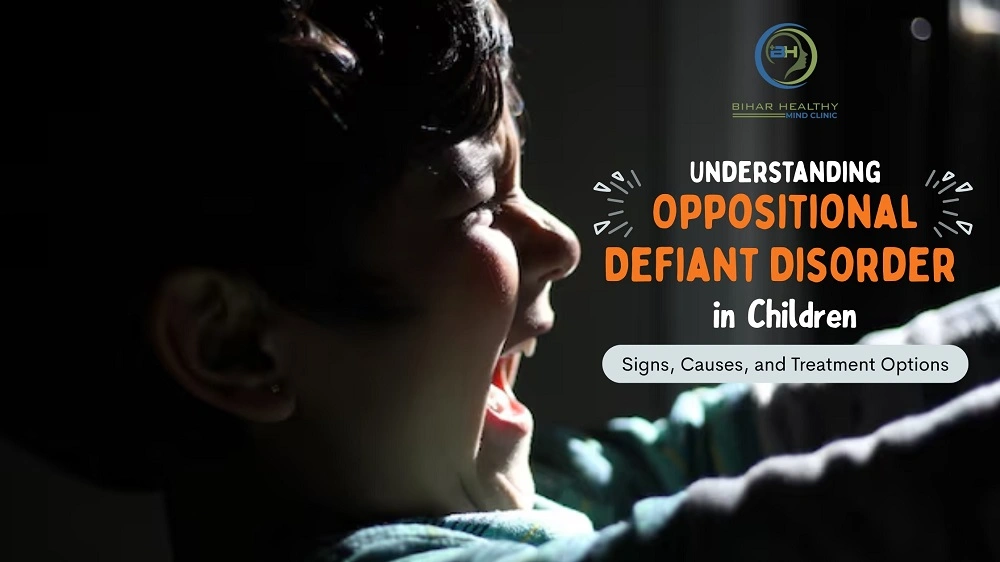
Childhood behavior problems are common, but when defiance, anger, and hostility become persistent and disruptive, they may indicate a deeper mental health concern. One such condition frequently seen in child mental health clinics is oppositional defiant disorder. Parents often struggle to differentiate between normal developmental behavior and a psychiatric condition that needs attention.
From a clinical psychiatry perspective, ODD in psychiatry is a recognized behavioral disorder that significantly impacts a child’s emotional, social, and academic functioning if left untreated. This blog aims to help parents understand what ODD looks like in children, its warning signs, underlying causes, and evidence-based treatment approaches.
What Is Oppositional Defiant Disorder?
Oppositional defiant disorder, often referred to as ODD disorder, is a childhood behavioral condition marked by a recurrent pattern of angry mood, argumentative behavior, and defiance toward authority figures. Unlike occasional misbehavior, ODD involves consistent and excessive negative behaviors lasting at least six months.
Children with ODD do not simply “act out.” Their behavior is persistent, emotionally driven, and often affects relationships with parents, teachers, and peers.
Common ODD Symptoms in Children
Recognizing ODD symptoms early is crucial for effective intervention. The oppositional defiant disorder symptoms are usually categorized into three main behavioral patterns:
1. Angry and Irritable Mood
- Frequent temper tantrums
- Easily annoyed or frustrated
- Persistent resentment or anger
2. Argumentative and Defiant Behavior
- Regularly arguing with adults
- Refusing to follow rules or instructions
- Deliberately annoying others
- Blaming others for mistakes
3. Vindictive Behavior
- Spiteful or revenge-seeking behavior
- Intentional hurtful actions
These ODD disorder symptoms are more intense than age-appropriate behavior and often disrupt family harmony and school performance.
What Causes ODD? Understanding the Etiology
Parents frequently ask about the causes of ODD and whether they are responsible for their child’s behavior. In clinical practice, the etiology of oppositional defiant disorder is understood as multifactorial, meaning multiple factors interact rather than a single cause.
Biological Factors
- Imbalances in brain neurotransmitters
- Genetic vulnerability
- Poor emotional regulation
Psychological Factors
- Low frustration tolerance
- Difficulty managing emotions
- Coexisting conditions such as ADHD or anxiety
Environmental Factors
- Inconsistent or harsh parenting styles
- Family conflict or parental stress
- Exposure to trauma or neglect
These combined influences explain the ODD disorder causes rather than blaming parenting alone.
ODD in Psychiatry: How Is It Diagnosed?
In ODD in psychiatry, diagnosis is based on a detailed clinical assessment rather than a single test. A psychiatrist evaluates:
- Behavioral patterns across settings
- Duration and severity of symptoms
- Impact on daily functioning
- Presence of coexisting disorders
Early diagnosis by a qualified child mental health professional significantly improves long-term outcomes.
How ODD Affects a Child’s Life
Without timely care, oppositional defiant disorder can interfere with:
- Academic performance
- Peer relationships
- Parent-child bonding
- Emotional development
Untreated ODD may also increase the risk of conduct disorder, mood disorders, and substance use problems in adolescence.
Evidence-Based ODD Treatment Options
Effective ODD treatment focuses on behavioral and emotional regulation rather than punishment. From a psychiatric care perspective, the most successful approach is early, structured, and family-inclusive intervention.
1. Behavioral Therapy
- Parent Management Training (PMT)
- Positive reinforcement strategies
- Consistent discipline techniques
2. Individual Psychotherapy
- Cognitive Behavioral Therapy (CBT)
- Emotional regulation skills
- Anger management techniques
3. Family Counseling
- Improving communication
- Reducing conflict patterns
- Strengthening parental consistency
4. Medication (When Needed)
Medication is not the first-line ODD treatment, but may be used when ODD coexists with ADHD, anxiety, or mood disorders.
Why Early Treatment Matters
-
Early identification and treatment can:
- Prevent worsening behavioral patterns
- Improve academic and social functioning
- Strengthen family relationships
- Reduce future psychiatric complications
Parents seeking the best child psychiatrist in Patna should prioritize professionals experienced in behavioral disorders and child psychiatry.
Specialized Care at Patna Psychiatry
At Patna Psychiatry, comprehensive child mental health services are provided under the guidance of Dr. Saurabh Kumar, MD (Psychiatry). The clinic offers structured evaluation, evidence-based therapy planning, and family-centered care for children experiencing behavioral challenges.
With a focus on compassionate and ethical psychiatric practice, Patna Psychiatry is widely regarded by families seeking the best child psychiatrist in Patna for conditions such as oppositional defiant disorder and other childhood behavioral disorders.
When Should Parents Seek Help?
Parents should consult a mental health professional if:
- Defiant behavior persists beyond six months
- School complaints are frequent
- Family functioning is affected
- The child shows emotional distress
Early psychiatric consultation can make a life-changing difference.
Conclusion
Understanding what ODD looks like in children helps parents move from frustration to informed action. Oppositional defiant disorder is not a result of poor parenting or a child being “difficult”, it is a treatable psychiatric condition.
With timely diagnosis, structured therapy, and professional guidance, children with ODD can develop healthier emotional regulation and positive behavioral patterns.
Visitors: 36
Leave a Comment
Comments (0)
Recent Posts
-
 Understanding the Blue Mood: How Monday Blues Affect Mental Health and Ways to Combat Them
-
 De Addiction Explained: Types of Addiction and How They Are Treated Effectively
-
 PANDAS Disease: Causes, Latest Research, and Treatment Options
-
 Hysteria Disease: Causes, Treatment, and Coping Strategies
-
 Schizoaffective Disorder Explained: Triggers, Symptoms, and Diagnosis
No comments yet.