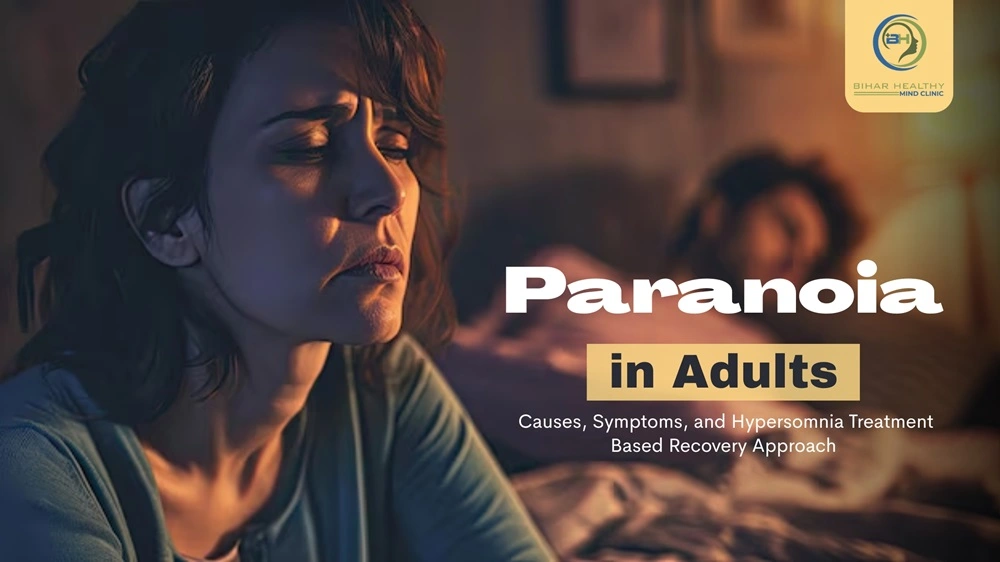
Paranoia is a complex mental health condition that can significantly affect an adult’s emotional well being, relationships, and daily functioning. Many individuals experience suspicious thoughts at some point in life, but when these thoughts become persistent, irrational, and distressing, they may indicate a deeper psychological concern. Understanding what is paranoia, its causes, and effective treatment options is essential for early intervention and recovery.
This blog is written from a clinical psychiatric perspective to help readers recognize paranoia symptoms, understand the causes of paranoia, and learn how professional care, including structured treatment approaches, can restore mental balance. At Patna Psychiatry, Dr. Saurabh Kumar, MD (Psychiatry), widely regarded as the best psychiatrist in Patna, provides expert diagnosis and personalized treatment for paranoia and related mental health conditions.
What Is Paranoia? Understanding the Condition
To understand paranoia clearly, it is important to look beyond common misconceptions.
What Is Paranoia in Mental Health?
What is paranoia? Paranoia is a mental health condition characterized by persistent and irrational feelings of suspicion, fear, or mistrust toward others. Individuals may believe that people are watching them, plotting against them, or intending harm, even when there is no evidence to support these beliefs.
Paranoia Disease vs Normal Suspicion
Occasional suspicion can be normal, especially during stressful situations. However, paranoia disease involves fixed, exaggerated beliefs that interfere with daily life, decision making, and emotional stability. These beliefs often remain strong despite reassurance or logical explanations.
Paranoia Symptoms in Adults
Recognizing paranoia symptoms at an early stage is essential to prevent long term emotional distress, social withdrawal, and decline in daily functioning. When left unaddressed, persistent paranoid thoughts can gradually affect an individual’s relationships, work performance, and overall mental stability. Early identification allows for timely psychiatric intervention and better treatment outcomes.
Emotional and Psychological Symptoms
Adults experiencing paranoia often struggle internally with constant fear, mistrust, and emotional unease. These psychological symptoms may not always be visible to others but can feel overwhelming and exhausting to the individual. Over time, such emotional distress can lead to increased anxiety and emotional isolation.
-
Key Emotional Warning Signs
- Persistent and irrational suspicion toward others, even without evidence
- Ongoing fear of being harmed, judged, watched, or betrayed
- Difficulty trusting even close family members, friends, or colleagues
- Heightened anxiety, nervousness, and constant emotional tension
These emotional symptoms frequently intensify during periods of high stress, poor sleep, or emotional exhaustion, making everyday situations feel threatening or unsafe.
Behavioral Symptoms and Daily Impact
Paranoia also manifests through noticeable changes in behavior and social interaction. These behavioral responses are often attempts to protect oneself from perceived threats, but they can significantly disrupt normal life and relationships.
-
Common Behavioral Red Flags
- Avoiding social situations or isolating oneself to feel safe
- Constantly checking surroundings or remaining overly alert
- Displaying defensive, suspicious, or argumentative behavior
- Difficulty maintaining personal, professional, or family relationships
Such behavioral patterns are common paranoia examples observed in clinical practice and usually indicate the need for professional psychiatric evaluation and structured treatment.
Causes of Paranoia in Adults
Understanding the causes of paranoia is essential for accurate diagnosis and selecting the most effective treatment approach. Paranoia rarely develops from a single factor; instead, it often results from a combination of emotional vulnerabilities, life experiences, and biological influences that gradually impact mental well being.
Psychological and Emotional Causes
Emotional and psychological factors are among the most common contributors to paranoia. These influences often develop over time and may worsen during periods of emotional stress or instability.
-
Common emotional triggers include:
- Chronic stress and unresolved emotional trauma that heighten fear responses
- Long standing anxiety disorders that amplify suspicious thinking
- Low self-esteem and emotional insecurity, leading to fear of judgment or rejection
These psychological reasons for paranoia often progress gradually, making early recognition important for timely intervention.
Biological and Medical Factors
Certain biological and medical conditions can increase a person’s vulnerability to paranoid thinking by affecting brain function and emotional regulation.
-
Key biological contributors include:
- Chemical imbalance in the brain that alters perception and emotional responses
- Sleep disorders that impair mental clarity, judgment, and stress tolerance
- Use of addictive substances can worsen paranoid thoughts and significantly alter a person’s perception of reality.
In many cases, a combination of psychological stressors and biological factors becomes the primary paranoia cause, highlighting the need for comprehensive psychiatric evaluation and treatment.
Paranoia Examples in Everyday Life
Understanding real life paranoia examples can clarify how the condition manifests.
-
Social and Workplace Examples
- Believing colleagues are conspiring without evidence
- Feeling constantly monitored or judged
-
Relationship Based Examples
- Suspecting partners of betrayal without reason
- Misinterpreting harmless actions as threats
These paranoia examples highlight how distorted thinking patterns affect perception.
Paranoia Treatment: How Recovery Is Achieved
Effective paranoia treatment focuses on emotional regulation, cognitive clarity, and lifestyle balance.
Psychiatric Evaluation and Diagnosis
A detailed psychiatric assessment helps identify the severity of paranoia and rule out other conditions. Early diagnosis improves treatment outcomes significantly.
Therapy and Psychological Intervention
Therapeutic approaches help patients challenge irrational thoughts, build coping strategies, and improve emotional insight. Therapy also addresses underlying anxiety and trauma.
Role of Sleep and Hypersomnia Treatment in Paranoia Recovery
Sleep plays a crucial role in mental health recovery by supporting emotional regulation, cognitive clarity, and overall psychological stability, making it essential for effective treatment and long term well being.
Connection Between Sleep and Paranoia
Disrupted sleep patterns can intensify suspicious thoughts, emotional instability, and anxiety. In some cases, excessive sleep or fatigue related disorders worsen mental clarity.
Hypersomnia Treatment as Part of Care
In selected cases, structured hypersomnia treatment may be integrated into the care plan to restore healthy sleep cycles, improve cognitive functioning, and support emotional regulation, thereby reducing paranoia related distress.
Living with Paranoia: Coping and Support
Living with paranoia can be challenging, but long term management is possible with the right combination of self care strategies and professional mental health support. A balanced approach that focuses on emotional awareness, lifestyle stability, and clinical guidance helps individuals regain confidence and improve daily functioning.
-
Self Help and Emotional Awareness
- Stress management techniques
- Regular sleep routines
- Avoiding alcohol and substances
-
Importance of Professional Support
- Accurate diagnosis by the best psychiatrist in Patna
- Personalized treatment for emotional and biological factors
- Effective symptom management and monitoring
- Support for long term mental stability
Why Choose Patna Psychiatry for Paranoia Treatment?
Choosing the right mental health center plays a crucial role in recovery from paranoia. At Patna Psychiatry, treatment is delivered with empathy, strict confidentiality, and evidence based clinical practices. The focus is not only on symptom relief but also on restoring emotional balance, confidence, and long term mental wellness.
-
Our Patient-Centered Treatment Philosophy
- Comprehensive psychiatric evaluation
- Personalized therapy and medication plans
- Focus on long term mental wellness
- Ethical and patient-centered care
Under the expert supervision of Dr. Saurabh Kumar, MD (Psychiatry), patients receive trusted and compassionate care from the best psychiatrist in Patna within a supportive and professionally managed clinical environment.
Conclusion
Paranoia is a treatable mental health condition when recognized early and managed appropriately. Understanding what is paranoia, identifying paranoia symptoms, and addressing the underlying causes of paranoia can significantly improve quality of life. With proper paranoia treatment, emotional balance and mental clarity can be restored.
Professional care at Patna Psychiatry ensures that individuals receive structured, compassionate support tailored to their unique needs.
Visitors: 45
Leave a Comment
Comments (0)
Recent Posts
-
 Understanding the Blue Mood: How Monday Blues Affect Mental Health and Ways to Combat Them
-
 De Addiction Explained: Types of Addiction and How They Are Treated Effectively
-
 PANDAS Disease: Causes, Latest Research, and Treatment Options
-
 Hysteria Disease: Causes, Treatment, and Coping Strategies
-
 Schizoaffective Disorder Explained: Triggers, Symptoms, and Diagnosis
No comments yet.