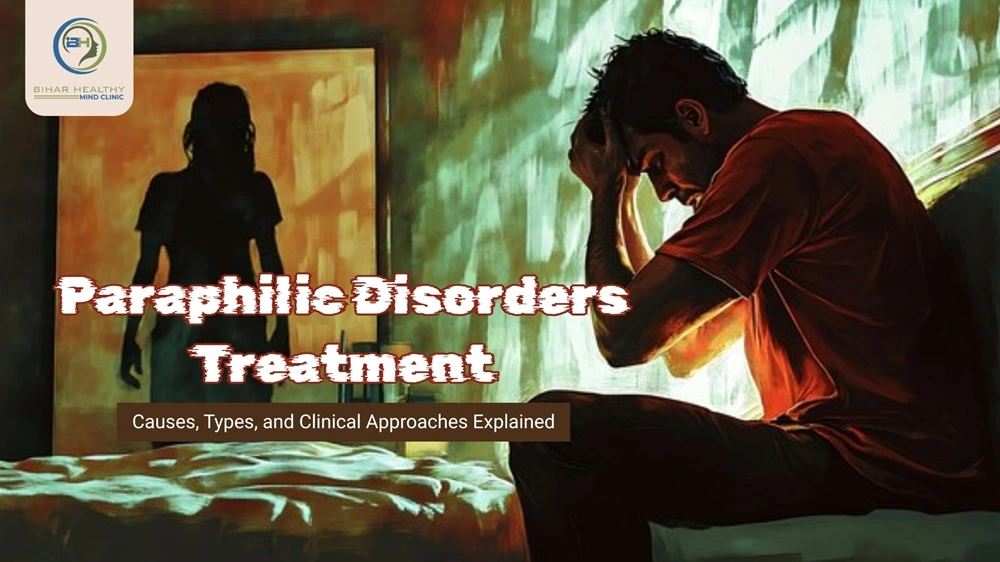
Sexual thoughts and behaviours exist on a wide spectrum, and not all variations indicate a disorder. However, when certain patterns cause distress, impair functioning, or pose harm, they may fall under clinical conditions known as paraphilic disorders. Understanding these conditions is essential for reducing stigma and promoting timely, ethical mental health care.
This article explains what is paraphilia, how these disorders develop, available treatment approaches, and when professional help becomes necessary. The information is shared from a psychiatric viewpoint for educational purposes, not as a diagnostic substitute.
What Is Paraphilia? Understanding the Clinical Definition
To begin, it is important to define paraphilia accurately.
In psychiatry, paraphilia definition refers to persistent and intense sexual interests that deviate from typical consensual adult sexual activity. These interests may involve objects, situations, or individuals that are socially or clinically atypical.
In simple terms, what is paraphilia can be understood as a condition where sexual arousal patterns are focused on unconventional stimuli. The paraphilia disorder diagnosis is considered only when these interests cause personal distress, functional impairment, or risk to others.
Difference Between Paraphilia and Paraphilic Disorders
-
Not every unusual sexual interest qualifies as a disorder. Clinicians differentiate between:
- Paraphilia: An atypical sexual interest without distress or harm
- Paraphilic disorders: When the interest leads to emotional distress, impaired daily life, or harmful behaviour
This distinction helps avoid unnecessary labeling and supports ethical psychiatric evaluation.
Types of Paraphilia: An Overview
There are multiple types of paraphilia described in psychiatric literature. Understanding them helps clinicians assess risk, intent, and appropriate treatment pathways.
-
Commonly Recognized Categories
- Focus on specific non-living objects
- Arousal linked to particular scenarios or roles
- Fixation on non-consensual or inappropriate targets
These paraphilias examples are discussed strictly for educational understanding and not as judgment.
Why Do Paraphilic Disorders Occur?
The development of paraphilic disorders is complex and rarely linked to a single cause. Most cases involve an interaction of biological, psychological, and environmental factors.
1. Psychological Influences
Early life experiences, emotional trauma, or maladaptive coping mechanisms may shape long term sexual conditioning. Over time, repeated reinforcement strengthens specific arousal patterns.
2. Neurobiological Factors
Brain chemistry, impulse regulation, and reward pathways may influence compulsive sexual thoughts. Psychiatric evaluation often explores these neurological components carefully.
3. Learning and Conditioning
Certain behaviours may become reinforced through repetition, fantasy, or exposure, eventually forming persistent patterns that are difficult to modify without treatment.
Symptoms That Indicate a Clinical Concern
-
A sexologist may consider intervention when:
- Sexual thoughts become intrusive or uncontrollable
- The individual feels guilt, shame, or emotional distress
- Behaviour interferes with work, relationships, or mental health
- There may be a potential threat to one’s own safety or the safety of others.
Early assessment improves outcomes and reduces long-term psychological impact.
Clinical Evaluation and Diagnosis
-
Diagnosis of paraphilic disorders involves:
- Detailed psychiatric interviews
- Assessment of thought patterns and behaviour history
- Evaluation of emotional distress and functional impact
The goal is not judgment, but clarity and ethical care planning.
At Patna Psychiatry, structured evaluation allows individuals to seek help without stigma, guided by evidence based mental health principles.
Paraphilic Disorders Treatment: Evidence-Based Approaches
Effective paraphilic disorders treatment focuses on safety, mental stability, and behavioural regulation rather than punishment or shame.
Psychotherapy
-
Cognitive behavioural therapy helps individuals:
- Recognize distorted thinking patterns
- Develop impulse control strategies
- Reduce compulsive urges
Medication Management
-
In selected cases, medication may be used to:
- Regulate impulse control
- Manage associated anxiety or mood disorders
- Long Term Monitoring
Treatment is often gradual and requires follow-up to ensure emotional regulation and social functioning.
Role of Sexual Health Specialists
In some cases, collaboration with the best sexologist in Patna supports comprehensive care, especially when intimacy concerns, relationship stress, or sexual identity confusion coexist with psychiatric symptoms.
This integrated approach ensures mental health and sexual well-being are addressed together, ethically and professionally.
Why Seeking Professional Help Matters
Ignoring symptoms can increase emotional distress and social isolation.
-
Consulting a trained sexologist ensures:
- Accurate understanding of symptoms
- Non-judgmental medical guidance
- Safer long-term psychological outcomes
Pros and Cons of Seeking Treatment for Paraphilic Disorders
-
Pros
- Accurate Understanding of Symptoms: Professional evaluation helps distinguish between atypical interests and clinically significant paraphilic disorders.
- Reduced Emotional Distress: Therapy supports individuals in managing guilt, anxiety, or confusion linked to persistent thoughts or urges.
- Improved Self-Control: Evidence-based treatment strengthens impulse regulation and coping strategies.
- Safer Behavioural Outcomes: Early intervention reduces the risk of harmful actions and supports social responsibility.
- Better Overall Mental Health: Addressing underlying psychological factors improves emotional stability and quality of life.
-
Cons
- Social Stigma: Fear of judgment may discourage individuals from seeking timely help.
- Time Commitment: Therapy and follow-up sessions require patience and consistency.
- Emotional Discomfort Initially: Discussing sensitive topics may feel challenging during early sessions.
- Gradual Progress: Behavioural change often takes time and structured support rather than immediate results.
Common Myths About Paraphilic Disorders
1 Paraphilia Always Means Criminal Behaviour
Not true. Many individuals with paraphilic interests never act on harmful impulses. A disorder is diagnosed based on distress, impairment, or risk, not assumptions.
2 These Conditions Cannot Be Treated
This is incorrect. With structured therapy, psychiatric care, and monitoring, many individuals experience meaningful improvement and better control.
3 Paraphilic Disorders Are a Moral Failure
Paraphilic disorders are mental health conditions, not moral judgments. They require clinical understanding, not blame or shame.
4 Only Medication Is Used for Treatment
Treatment often involves psychotherapy as the primary approach. Medication is used selectively and only when clinically appropriate.
Conclusion
Understanding paraphilic disorders requires empathy, clinical accuracy, and awareness. These conditions are mental health concerns, not moral failures. With proper diagnosis, therapy, and professional support, individuals can regain control, reduce distress, and improve quality of life.
Early consultation remains the most effective step toward recovery and psychological well-being.
Visitors: 27
Leave a Comment
Comments (0)
Recent Posts
-
 Understanding the Blue Mood: How Monday Blues Affect Mental Health and Ways to Combat Them
-
 De Addiction Explained: Types of Addiction and How They Are Treated Effectively
-
 PANDAS Disease: Causes, Latest Research, and Treatment Options
-
 Hysteria Disease: Causes, Treatment, and Coping Strategies
-
 Schizoaffective Disorder Explained: Triggers, Symptoms, and Diagnosis
No comments yet.