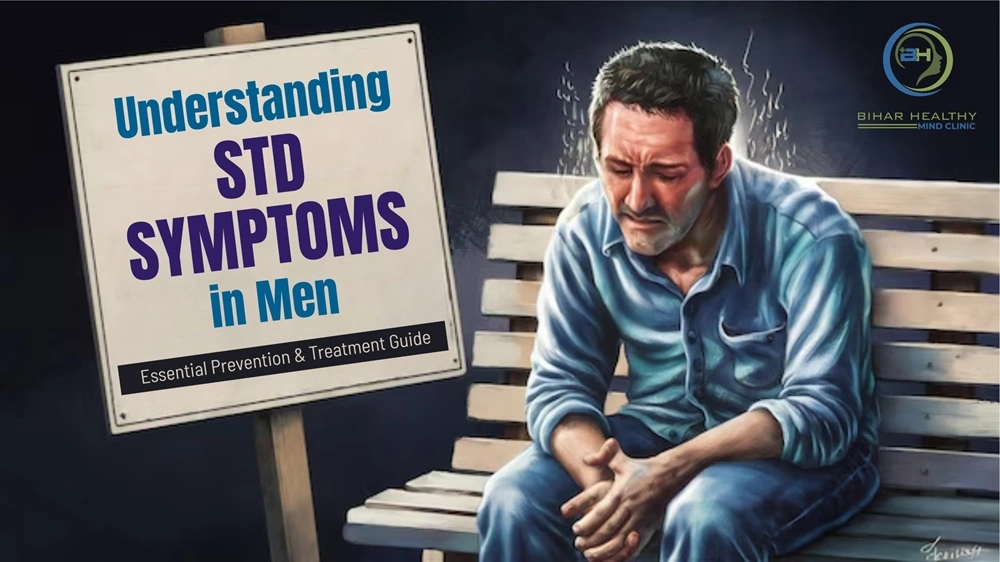
Sexually transmitted diseases can affect anyone who is sexually active, but STD symptoms in men often go unnoticed until complications arise. Many males delay treatment out of fear, hesitation, or lack of awareness, which increases the risk of long-term reproductive, physical, and psychological consequences. At Patna Psychiatry, Dr. Saurabh Kumar, MD (Psychiatry), emphasizes that timely identification and treatment can prevent chronic distress, anxiety, relationship problems, and emotional struggles linked with sexual health issues. While this blog is written from a health writer’s perspective and not by the psychiatrist himself, it reflects the clinical understanding and concerns commonly addressed in a mental health setting.
Understanding the early signs, preventive measures, and available treatment for STD in males is crucial for safeguarding overall well-being. This comprehensive guide explains the most common STDs in men, how they spread, their warning signs, and the steps to protect yourself.
Why Awareness About Male STDs Matters
A sexually transmitted infection in men does not only affect the body, it can also influence confidence, intimacy, self-esteem, and mental health. Untreated infections such as chlamydia, gonorrhea, syphilis, HIV, herpes, and HPV can lead to serious complications like infertility, organ damage, chronic pain, and emotional distress.
Addressing these issues early helps prevent medical complications while also reducing psychological impacts often observed in clinical practice. Seeking support from qualified professionals, including the best sexologist in Patna, ensures that men receive accurate diagnosis, effective treatment, and non-judgmental guidance.
Common STDs Affecting Men
Below are the most frequently diagnosed male STD infections:
1. Chlamydia
Often silent, chlamydia may show mild or no symptoms. When noticeable, it may cause burning during urination or penile discharge. If ignored, the infection can damage the reproductive system.
2. Gonorrhea
Known for causing painful urination and thick yellow discharge, it spreads quickly without treatment. Complications include epididymitis and prostate involvement.
3. Syphilis
Called the “great imitator,” syphilis presents in multiple stages. Early sores are painless, making them easy to overlook. Without care, it can affect the brain, heart, and nerves—areas also evaluated in psychiatric settings due to neurological involvement.
4. Genital Herpes
Caused by the herpes simplex virus (HSV), this condition leads to painful sores, itching, and recurrent outbreaks triggered by stress.
5. Human Papillomavirus (HPV)
A highly common infection, HPV can cause genital warts and increase cancer risk. Vaccination offers strong protection.
6. HIV/AIDS
Early flu-like symptoms may go unnoticed. Testing is essential for anyone at risk, as timely treatment improves immunity and prevents psychological burden.
Male STD Warning Signs You Should Not Ignore
Many infections remain silent for weeks or months. Still, you should watch for early male STD warning signs, including:
- Painful or burning urination
- Unusual penile discharge
- Genital sores, warts, or blisters
- Testicular pain or swelling
- Itching or irritation around the genitals
- Pain during intercourse
- Unexplained fever or rashes
- Rectal discomfort (in certain infections)
While these symptoms may resemble other health issues, they often indicate STDs in men that require medical evaluation.
Ignoring these signs can worsen the infection and affect mental well-being. Many men experience embarrassment, fear of stigma, or depression related to sexual health concerns, issues frequently addressed in psychiatric practice.
How STDs Spread Among Men
Understanding transmission helps prevent future infections. A sexually transmitted infection in men spreads through:
- Vaginal, oral, or anal sex
- Skin-to-skin contact (herpes, HPV)
- Sharing needles
- Blood-to-blood contact
- From infected mother to child (less common in males but relevant for partners planning families)
Condoms reduce but do not eliminate risk. Regular testing remains essential for sexually active individuals.
Effective Prevention Strategies for Male STDs
Prevention plays a crucial role in reducing the spread of infections. Men can safeguard their health by following these strategies:
1. Use Protection Correctly
Latex or polyurethane condoms significantly lower the risk of most STDs. Proper usage during every sexual encounter is essential.
2. Limit High-Risk Behavior
Multiple partners, unprotected sex, and substance use increase exposure to infections.
3. Maintain Open Communication
Discussing sexual history and testing with partners encourages trust and reduces anxiety.
4. Get Regular Screening
Routine testing identifies infections early, even when symptoms are absent.
5. Avoid Sharing Needles or Razors
Blood-contaminated objects increase the risk for HIV and hepatitis.
6. Boost Mental and Emotional Wellness
Stress, impulsive behavior, and poor emotional regulation can contribute to risky sexual behavior. Consulting specialists at Patna Psychiatry helps individuals understand behavioral patterns that may expose them to unnecessary risks.
Treatment for STD in Males
The good news is that most STDs in men are treatable, and many are completely curable. The type of treatment depends on the infection:
1. Bacterial Infections (Chlamydia, Gonorrhea, Syphilis)
These respond well to antibiotics. Early treatment ensures full recovery and prevents complications.
2. Viral Infections (Herpes, HIV, HPV)
Although not fully curable, antiviral medications control symptoms, reduce outbreaks, and decrease transmission. HPV vaccination can prevent future infections.
3. Mental Health Support
A diagnosis often triggers shame, fear, and relationship problems. At Patna Psychiatry, professionals help individuals manage emotional stress, correct misconceptions, and improve sexual decision-making.
4. Partner Treatment
Treating partners simultaneously prevents reinfection and helps restore trust in relationships.
Men should never self-medicate. Correct diagnosis and guided treatment from qualified doctors, including the best sexologist in Patna, ensure safe recovery.
When to Seek Medical Help
-
Immediate evaluation is necessary if you notice:
- Persistent pain or discharge
- Genital sores that do not heal
- Symptoms after unprotected sex
- A partner testing positive
- Unexplained fever, swollen glands, or fatigue
Early consultation prevents long-term problems and supports emotional resilience, especially when guided by experts at Patna Psychiatry.
Final Thoughts
Recognizing STD symptoms in men and seeking timely treatment protects both physical and psychological health. With proper awareness, preventive practices, and reliable medical support, men can lead safe and confident lives.
Patna Psychiatry offers a supportive space where individuals can address both sexual health concerns and the emotional challenges that accompany them. For detailed evaluation and compassionate care, consulting experts like Dr. Saurabh Kumar and connecting with the best sexologist in Patna ensures holistic wellness.
Visitors: 54
Leave a Comment
Comments (0)
Recent Posts
-
 Understanding the Blue Mood: How Monday Blues Affect Mental Health and Ways to Combat Them
-
 De Addiction Explained: Types of Addiction and How They Are Treated Effectively
-
 PANDAS Disease: Causes, Latest Research, and Treatment Options
-
 Hysteria Disease: Causes, Treatment, and Coping Strategies
-
 Schizoaffective Disorder Explained: Triggers, Symptoms, and Diagnosis
No comments yet.