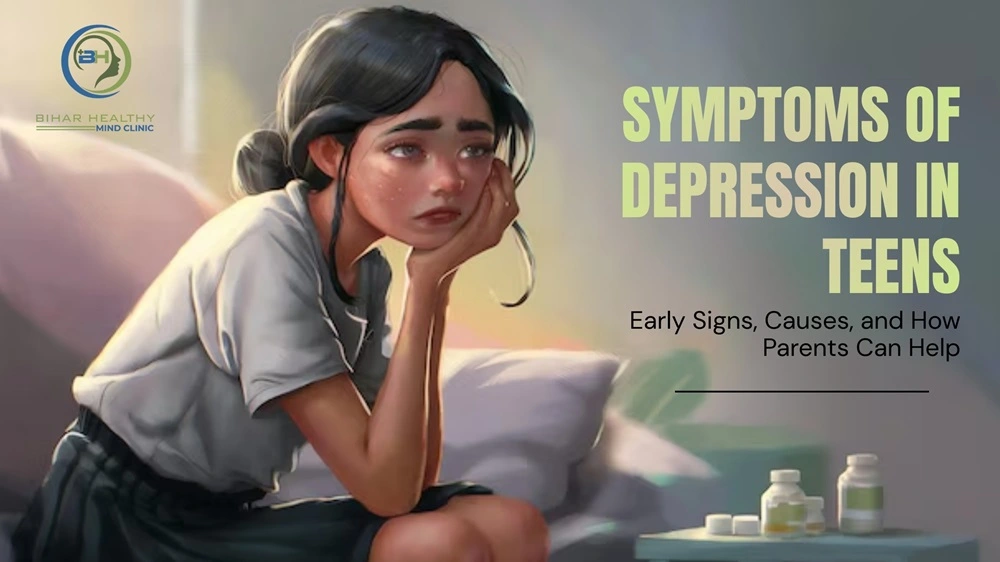
Teenage years are a critical phase of emotional, physical, and psychological development. While mood swings and behavioral changes are common during adolescence, persistent sadness, withdrawal, or emotional distress may signal something more serious. Understanding the symptoms of depression in teens is essential for early intervention and recovery. At Patna Psychiatry, Dr. Saurabh Kumar, MD (Psychiatry), known as the best psychiatrist in Patna, provides compassionate and evidence-based care for teenage mental health concerns.
This article is developed from a clinical mental health perspective to guide parents, caregivers, and educators in identifying teenage depression, understanding its underlying causes, and recognizing how early intervention can positively impact a young person’s life.
What Is Teen Depression?
Teen depression is a serious mental health condition that goes beyond normal adolescent mood changes. It affects how teenagers think, feel, behave, and function in daily life. Unlike temporary sadness, depression is persistent and can interfere with academic performance, relationships, sleep, and self esteem.
Understanding why are teens depressed today requires examining emotional pressure, social expectations, academic stress, and biological factors. Depression in teenagers often goes unnoticed because symptoms are mistakenly seen as “normal teenage behavioral”.
Signs of Depression in Teens
Recognizing the signs of depression in teens at an early stage can significantly reduce the risk of long term emotional and psychological complications. While occasional mood changes are a normal part of adolescence, symptoms that persist for more than two weeks and interfere with daily functioning should never be ignored. Early awareness allows parents and caregivers to take timely and supportive action.
Emotional and Psychological Signs
Emotional symptoms are often the earliest indicators of teen depression. These internal struggles may not always be visible but can deeply affect a teenager’s mental well being and self-perception. Teens experiencing depression often report emotions that feel overwhelming, constant, and difficult to control.
-
How these emotional changes affect a teen’s inner world:
- Persistent sadness, hopelessness, or emptiness
- Excessive guilt or feelings of worthlessness
- Increased irritability or anger over small matters
- Loss of interest in activities once enjoyed
These emotional changes are among the most common symptoms of depression in teens and should be taken seriously.
Behavioral and Social Changes
Depression also manifests through noticeable changes in behavioral and social interactions. These shifts may affect academic performance, relationships, and daily routines, often signaling deeper emotional distress.
-
How depression alters daily functioning and social engagement:
- Social withdrawal from friends and family
- Decline in academic performance
- Loss of motivation and concentration
- Avoidance of school or activities
Such patterns are clear signs of depression in teens that require professional evaluation.
Symptoms of Depression in Teenage Girls
While depression affects all genders, depression in teenage girls often presents with distinct emotional and behavioral patterns due to hormonal, social, and psychological factors.
-
Symptoms of Depression in Girls
- Frequent crying spells
- Low self-esteem and body image issues
- Increased sensitivity to criticism
- Excessive feelings of guilt or self-blame
These are common symptoms of depression in girls, often influenced by peer pressure and social comparison.
-
Symptoms of Depression in Teenage Girls
- Sleep disturbances and fatigue
- Changes in appetite or weight
- Emotional dependency or withdrawal
- Self-critical thoughts
Understanding the symptoms of depression in teenage girls helps parents respond with empathy instead of judgment.
Why Do Many Teenagers Feel Depressed?
Many parents and caregivers often wonder why do many teenagers feel depressed, especially when their basic physical needs such as food, shelter, and education appear to be met. However, emotional well-being is influenced by far more than material comfort. Teen depression usually develops from a combination of psychological, social, academic, and emotional pressures that gradually overwhelm a young person’s ability to cope.
Academic and Performance Pressure
Today’s teenagers face intense academic competition from an early age. High expectations from parents, teachers, and society, along with the pressure of board exams, entrance tests, and future career uncertainty, can create constant stress. Constant fear of not succeeding, frequent comparison with peers, and the idea that personal value depends on achievement can drain a teenager emotionally, increasing stress, anxiety, and the risk of developing depression, particularly when expectations feel impossible to meet.
Social Media and Comparison
Social media plays a powerful role in shaping teenage self-esteem. Continuous exposure to carefully curated images of success, beauty, popularity, and happiness can make teenagers feel inadequate or left behind. Online validation through likes and comments can become emotionally addictive, while cyberbullying or social exclusion can significantly harm confidence. Over time, this constant comparison can damage emotional stability and contribute to feelings of loneliness and depression.
Identity and Emotional Development
Adolescence is a critical phase of identity formation. Teenagers are trying to understand who they are, where they belong, and how they are perceived by others. During this vulnerable stage, rejection, criticism, or failure can feel deeply personal. Limited emotional regulation skills and difficulty expressing feelings may cause internal distress to build silently, making teens more sensitive to emotional pain and self-doubt.
Together, these factors clearly explain why are teens depressed at increasing rates today and highlight the importance of early emotional support and professional mental health care.
Causes of Depression in Teens
Understanding the causes of depression in teens is key to prevention and treatment.
-
Biological Factors
- Family history of depression
- Brain chemistry imbalance
- Hormonal changes during adolescence
-
Psychological Factors
- Low self-confidence
- Poor coping skills
- Perfectionism
-
Environmental and Social Factors
- Family conflict or neglect
- Bullying or academic stress
- Traumatic experiences
All these factors together explain why do many teenagers feel depressed and why professional care is often required.
When to Seek Professional Help
If symptoms persist, worsen, or interfere with daily functioning, consulting a mental health professional is essential. Early psychiatric intervention significantly improves recovery outcomes.
At Patna Psychiatry, Dr. Saurabh Kumar, MD (Psychiatry), widely regarded as the best psychiatrist in Patna, specializes in diagnosing and treating depression in adolescents with a compassionate, structured approach.
How Parents Can Help a Depressed Teen
Parents play a crucial role in supporting a teenager’s emotional recovery. A calm, understanding, and proactive approach can help teens feel safe enough to express their struggles and accept professional help.
Open and Non-Judgmental Communication
Encourage honest and open conversations where your teen feels heard rather than evaluated. Listen patiently without interrupting, criticizing, or rushing to give solutions. Creating a safe emotional space builds trust and helps teens share feelings they may otherwise suppress.
Observe Behavioral Changes
Pay close attention to changes in sleep patterns, appetite, academic performance, mood, or social behavior. Persistent withdrawal, fatigue, irritability, or loss of interest in daily activities may indicate underlying depression that needs timely attention.
Encourage Professional Evaluation
Gently explain the importance of seeking professional help rather than forcing the decision. A psychiatric evaluation helps determine the severity of teen depression, identifies underlying causes, and ensures that the right treatment plan is chosen early.
Support Treatment Consistency
Once treatment begins, help your teen stay consistent with therapy sessions, medications, and follow-up appointments. Offer encouragement during difficult days and reinforce that recovery takes time, patience, and ongoing emotional support.
Teen Depression Treatment at Patna Psychiatry
Effective treatment for teenage depression requires more than symptom control, it focuses on emotional safety, trust-building, and long-term mental wellness. At Patna Psychiatry, care is designed to help teenagers feel understood, supported, and empowered throughout their recovery journey. Each treatment plan is personalized, keeping the adolescent’s emotional development, family environment, and individual challenges in mind.
-
Our Comprehensive Treatment Approach
- Comprehensive psychiatric evaluation
- Age-appropriate therapy and counseling
- Medication management when clinically required
- Family guidance and follow-up care
With expert supervision from the best psychiatrist in Patna, teenagers receive personalized care in a confidential and supportive environment.
Conclusion
Depression in adolescence is real, serious, and treatable. Recognizing the symptoms of depression in teens, understanding the causes of depression in teens, and responding early can protect a young person’s emotional future. Whether it appears as emotional withdrawal, academic decline, or persistent sadness, professional support can make a profound difference.
At Patna Psychiatry, Dr. Saurabh Kumar, MD (Psychiatry), offers trusted, evidence-based care to help teenagers regain emotional balance and confidence.
Visitors: 17
Leave a Comment
Comments (0)
Recent Posts
-
 Understanding the Blue Mood: How Monday Blues Affect Mental Health and Ways to Combat Them
-
 De Addiction Explained: Types of Addiction and How They Are Treated Effectively
-
 PANDAS Disease: Causes, Latest Research, and Treatment Options
-
 Hysteria Disease: Causes, Treatment, and Coping Strategies
-
 Schizoaffective Disorder Explained: Triggers, Symptoms, and Diagnosis
No comments yet.