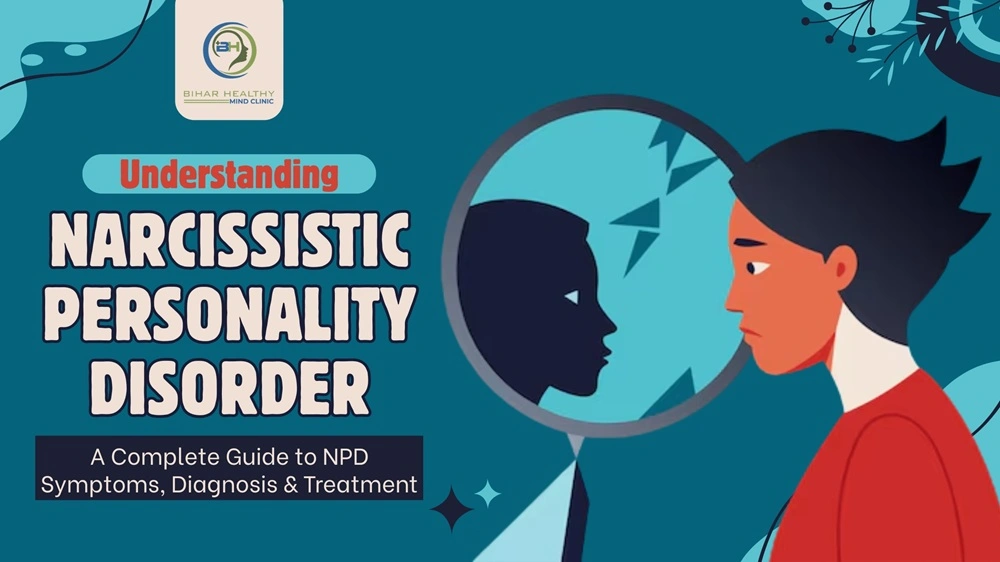
Narcissistic Personality Disorder is more common than many people realize, yet it is often misunderstood. When someone wonders, ‘What does it mean to have Narcissistic Personality Disorder?’ they are often seeking a clearer understanding of the behaviors, emotional tendencies, and long-term effects linked to the condition. In this detailed guide, we explore what narcissistic personality disorder truly is, how it affects individuals and families, and the role of timely psychiatric care.
At Patna Psychiatry, under the guidance of Dr. Saurabh Kumar, MD (Psychiatry), widely recognized as the best psychiatrist in Patna, patients receive evidence-based assessment and holistic care for personality-related concerns, including NPD.
What Is Narcissistic Personality Disorder?
Narcissistic Personality Disorder (NPD) is a complex mental health condition characterized by patterns of grandiosity, a need for admiration, and difficulty empathizing with others. While terms like narcissistic disorder, narcissistic syndrome, or NPD disease are used informally, the clinical diagnosis is based on strict criteria outlined in major psychiatric guidelines.
-
Individuals with NPD often present with:
- Extreme self-focus
- Sensitivity to criticism
- Emotional instability
- Strained relationships
- Difficulty accepting responsibility
Understanding what is narcissistic personality disorder helps people differentiate between everyday self-confidence and a clinical personality disorder that requires intervention.
Common NPD Symptoms You Should Know
Although symptoms vary, many people with NPD exhibit consistent behavioral and emotional patterns. Recognizing NPD symptoms early can support better outcomes.
-
Key Symptoms of NPD Include:
- Exaggerated Self-Importance: They often believe they deserve special treatment or recognition, even without corresponding achievements.
- Preoccupation With Success and Power: Individuals with narcissistic syndrome may fantasize excessively about brilliance, beauty, or ideal love.
- Need for Constant Admiration: Validation from others becomes a psychological necessity.
- Lack of Empathy: They may struggle deeply with understanding others’ emotions or needs.
- Fragile Self-Esteem: Despite their apparent confidence, criticism or failure can trigger intense anger or withdrawal.
- Manipulative Relationship Patterns: People with NPD disorder may use relationships to fulfill personal desires without concern for emotional impact on others.
- Entitlement: They may expect preferential treatment at work, home, or in social interactions.
Recognizing these signs is crucial for identifying NPD syndrome and seeking professional guidance.
What Causes Narcissistic Personality Disorder?
There is no single cause behind narcissistic personality disorder. Research highlights a combination of factors:
- Early Childhood Experiences: Overindulgence, excessive criticism, or inconsistent parenting can contribute to narcissistic traits.
- Temperament & Personality Patterns: Some individuals naturally have heightened emotional sensitivity or dominance traits.
- Genetic Factors: A family history of personality disorders increases the likelihood of developing NPD disease.
- Environmental Reinforcement: Unhealthy admiration or unrealistic expectations during adolescence may strengthen NPD traits.
Understanding these causes allows mental health professionals to build targeted treatment plans.
Impact of Narcissistic Personality Disorder on Daily Life
- Relationship Strain: Partners, friends, or colleagues may feel emotionally drained or undervalued.
- Workplace Challenges: Conflicts arise due to entitlement, poor teamwork, or difficulty accepting feedback.
- Emotional Instability: Feelings of shame, emptiness, and loneliness often lie beneath the surface.
- Social Isolation: Over time, relationships weaken, leading to reduced support systems.
These challenges underscore why timely assessment and NPD treatment are essential.
How Is NPD Diagnosed?
Diagnosis requires an in-depth psychological evaluation by a trained psychiatrist. At Patna Psychiatry, Dr. Saurabh Kumar follows a structured, confidential diagnostic approach that includes:
- Clinical interviews
- Behavioral assessments
- Personality evaluations
- Exploring family and environmental history
A proper diagnosis helps differentiate NPD from other personality or mood disorders.
NPD Treatment Options at Patna Psychiatry
While personality disorders develop over time, they can also improve significantly with the right support. Treatment for narcissistic personality disorder is personalized and goal-oriented.
1. Psychotherapy (Main Treatment)
-
This includes:
- Cognitive Behavioral Therapy (CBT)
- Schema Therapy
- Psychodynamic Therapy
The focus is on improving emotional regulation, empathy, self-awareness, and healthier relationship patterns.
2. Medication (If Required)
Although there is no specific drug for NPD, medications may treat associated issues like anxiety, depression, or impulsivity.
3. Supportive Therapy
This helps individuals manage stress, communication issues, and emotional volatility.
4. Family Counseling
Useful for restoring healthier communication and reducing interpersonal conflict.
Under the supervision of the best psychiatrist in Patna, patients receive compassionate, long-term guidance and structured recovery plans.
Why Early Intervention Matters
Without treatment, narcissistic disorder can worsen, affecting both mental health and relationships.
-
Early intervention:
- Helps individuals develop emotional insight
- Prevents long-term relational damage
- Improves stability at work and home
- Reduces emotional distress
Seeking help is not a sign of weakness, it’s a step toward healthier living.
Final Thoughts
Narcissistic Personality Disorder is more than occasional self-centered behavior; it is a deep-rooted psychological condition that affects every aspect of an individual’s life. With proper diagnosis, structured therapy, and long-term support, meaningful improvement is possible.
If you or someone you know displays NPD symptoms, early evaluation can be life-changing. At Patna Psychiatry, Dr. Saurabh Kumar provides expert diagnosis and NPD treatment, ensuring each patient receives compassionate, evidence-based care.
Visitors: 169
Leave a Comment
Comments (0)
Recent Posts
-
 Understanding the Blue Mood: How Monday Blues Affect Mental Health and Ways to Combat Them
-
 De Addiction Explained: Types of Addiction and How They Are Treated Effectively
-
 PANDAS Disease: Causes, Latest Research, and Treatment Options
-
 Hysteria Disease: Causes, Treatment, and Coping Strategies
-
 Schizoaffective Disorder Explained: Triggers, Symptoms, and Diagnosis
No comments yet.