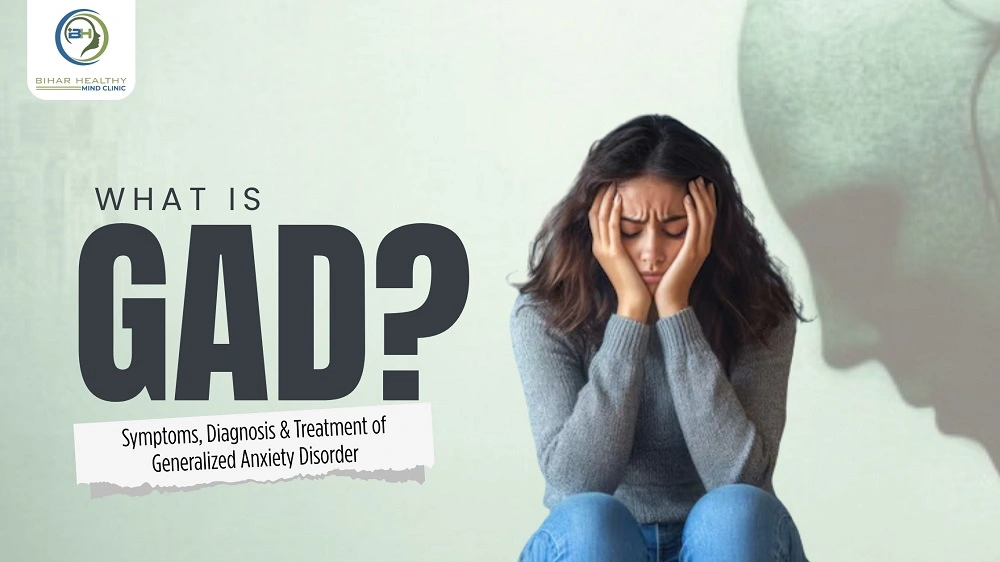
Generalized Anxiety Disorder (GAD) is one of the most common but often misunderstood mental health conditions affecting millions worldwide. Many individuals search online to understand what is GAD, GAD definition, GAD meaning medical, and what is GAD in psychology, yet still remain confused about how it truly affects the mind and body. As a mental health awareness resource for Patna Psychiatry, this blog aims to offer a complete, clear, and medically accurate guide covering symptoms, causes, diagnosis, and treatment of GAD. Patna Psychiatry, led by Dr. Saurabh Kumar, MD (Psychiatry), recognized as the best psychiatrist in Patna, provides advanced, compassionate, and evidence-based care for individuals experiencing anxiety-related conditions.
What Is GAD? Understanding the Condition
Generalized Anxiety Disorder Explained
To begin, let us answer the most commonly asked question: what is GAD?
In the medical field, the GAD full form in medical terminology is Generalized Anxiety Disorder. It is a chronic mental health condition characterized by persistent, excessive, and uncontrollable worry about everyday situations. The condition is not limited to one specific trigger; instead, the anxiety tends to be generalized and widespread, affecting multiple areas of life including work, family, health, and relationships.
Understanding what is generalized anxiety disorder also requires examining how it affects a person’s thought processes and emotional functioning. In GAD psychology, mental health experts explain that the disorder alters the way the brain interprets everyday situations, often making harmless events feel threatening or overwhelming. This psychological perspective highlights why individuals with GAD struggle to control their worries, even when they logically understand that their concerns may be exaggerated or unrealistic. By combining psychiatric assessment with psychological insights, clinicians offer a more complete and effective approach to treatment.
The Psychiatric Reality of GAD and Its Psychological Impact
In psychiatry, GAD disorder is considered a long-term condition that often requires a combination of therapy, medication, and psychological intervention. Many people assume anxiety is simply a personality trait, but in GAD psychiatry, it is recognized as a diagnosable psychiatric condition that significantly impacts quality of life. The full form of GAD helps clarify confusion among patients who often mix everyday stress with this clinically significant disorder.
From a psychological standpoint, what is GAD in psychology? It is defined as a disorder characterized by chronic worry and heightened tension, even when there is no immediate threat. As a psychiatrist explains, the anxiety in GAD is not temporary, it persists for months and often years without proper intervention.
GAD Definition & GAD Meaning in Medical Terms
The GAD definition used by mental health professionals describes the condition as “excessive anxiety and worry occurring more days than not for at least six months.” This medically accepted definition is essential for understanding GAD meaning medical and differentiating it from normal stress responses.
In simpler language, GAD in medical term refers to a prolonged state of mental and physical hyper-arousal due to continuous worry. This often leads individuals to believe that something bad is likely to happen, even in normal situations.
Symptoms of Generalized Anxiety Disorder
One of the reasons many people fail to get timely help is that they assume their symptoms are just normal stress. However, recognizing the symptoms is crucial for early intervention.
-
Psychological Symptoms
- Persistent and excessive worry
- Difficulty controlling anxious thoughts
- Feeling on edge or easily overwhelmed
- Constant fear of worst-case scenarios
- Difficulty concentrating
-
Physical Symptoms
- Restlessness or inability to relax
- Muscle tension, especially in shoulders and neck
- Sleep problems such as insomnia or non-restorative sleep
- Fatigue or constant feeling of tiredness
- Rapid heartbeat or breathlessness
- Gastrointestinal issues
People experiencing GAD anxiety often report that the worry takes over their mind, affecting their daily productivity and emotional well-being. Without proper support, these symptoms tend to worsen over time.
Generalized Anxiety Disorder Causes (Etiology)
Understanding the generalized anxiety disorder causes is essential for comprehending the etiology of generalized anxiety disorder. Research suggests that GAD develops due to a combination of biological, genetic, psychological, and environmental factors.
1. Genetic Factors
A family history of anxiety disorders increases the likelihood of developing GAD, which highlights the genetic role in the etiology of generalized anxiety disorder.
2. Brain Chemistry
Imbalances in neurotransmitters such as serotonin and norepinephrine are common contributors. These chemical imbalances explain why GAD is considered a clinical disease and not just a personality trait, sometimes referred to as GAD disease by patients.
3. Psychological Factors
Individuals with certain cognitive tendencies such as overthinking, catastrophic thinking, or perfectionism are more prone to generalized anxiety disorder GAD.
4. Environmental Stressors
Stressful life situations including job pressure, financial challenges, health fears, relationship concerns, childhood trauma, or major life changes can trigger the causes of GAD.
5. Medical Conditions
Chronic illnesses may also increase anxiety levels, contributing to GAD disorder symptoms.
GAD Diagnosis in Psychiatry
A proper GAD diagnosis can only be made by a trained psychiatrist. At Patna Psychiatry, the diagnostic process includes clinical interviews, psychological tests, and an evaluation of physical symptoms.
-
Diagnostic Criteria Usually Include
- Excessive worry for more than six months
- Difficulty controlling the worry
- Presence of three or more symptoms such as restlessness, irritability, sleep problems, or muscle tension
- Anxiety causing functional impairment
In GAD in psychiatry, it is crucial to rule out other conditions such as thyroid disorders, heart issues, or panic disorder, which may present with similar symptoms. An accurate diagnosis forms the foundation for effective treatment, ensuring long-term recovery.
Treatment of GAD at Patna Psychiatry
Treatment for GAD anxiety requires a structured approach. At Patna Psychiatry, Dr. Saurabh Kumar, MD (Psychiatry) often regarded as the best psychiatrist in Patna provides comprehensive treatment tailored to each patient.
1. Psychotherapy
Cognitive Behavioral Therapy (CBT) is widely regarded as the most effective treatment approach.
-
It helps patients:
- Identify negative thinking patterns
- Reframe anxious thoughts
- Build coping strategies
- Reduce avoidance behaviors
2. Medication Management
Depending on the severity of symptoms, medications such as SSRIs or SNRIs may be prescribed. These help regulate brain chemistry and reduce the physical symptoms associated with GAD disorder.
3. Lifestyle Modifications
- Stress management techniques
- Sleep hygiene
- Exercise
- Mindfulness and relaxation training
4. Long-term Monitoring
GAD is a chronic condition, so regular follow-ups help track progress and modify treatment plans.
With the right psychiatric support, individuals can overcome chronic worry and regain control over their lives.
Final Thoughts
Generalized Anxiety Disorder is a treatable condition, but understanding what is GAD, getting the right diagnosis, and accessing professional psychiatric care are essential for recovery. Whether you or a loved one is experiencing constant anxiety, remember that help is available. Patna Psychiatry, under the expert guidance of Dr. Saurabh Kumar, MD (Psychiatry), offers advanced and compassionate treatment to help you overcome anxiety and lead a calmer, healthier life.
Visitors: 76
Leave a Comment
Comments (0)
Recent Posts
-
 Understanding the Blue Mood: How Monday Blues Affect Mental Health and Ways to Combat Them
-
 De Addiction Explained: Types of Addiction and How They Are Treated Effectively
-
 PANDAS Disease: Causes, Latest Research, and Treatment Options
-
 Hysteria Disease: Causes, Treatment, and Coping Strategies
-
 Schizoaffective Disorder Explained: Triggers, Symptoms, and Diagnosis
No comments yet.